“No bed syndrome” and the right to quality health care
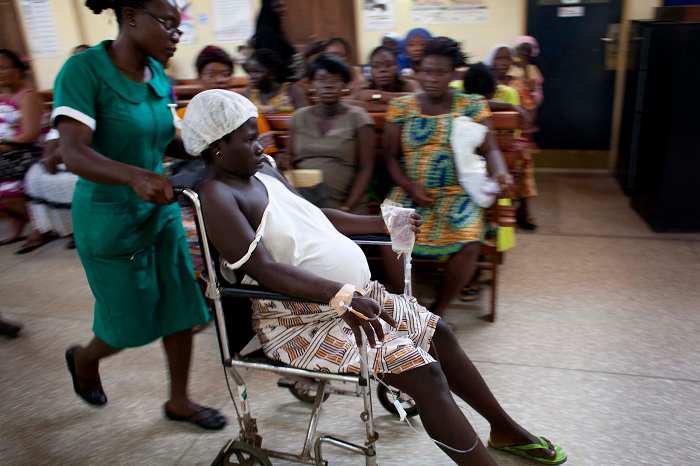
Quality healthcare is not a privilege; it is a citizens right. Yet in Ghana, that right continues to be undermined by a persistent crisis we have discussed for far too long without decisive action—the infamous “no bed syndrome.” This challenge has lingered for years, claiming innocent lives and making it a nation worry. Committees are often set up, reports written, and press conferences held, yet no concrete reforms and tangible results are realized.
The “no bed syndrome” is a “stain” on national health matters. Each time a life is lost, especially in preventable emergencies is a national outcry. Officials appear before the cameras to express sympathy and outline plans, only for the situation to subsidizes and the headlines forgotten. Meanwhile, families continue to nest the pain and mourn, yet the system remains unchanged. People normally ask: if the patient were to be a high-ranking government official, would a bed not been found in a hospital? Why should we allow the ordinary Ghanaian suffer, who faithfully pay taxes?
Quality Health Care
Ghana must give urgent and sustained attention to quality healthcare delivery. The establishment of the University of Ghana Medical Centre has demonstrated what is possible when standards, infrastructure, and accountability align. Since its inception, UGMC has saved countless lives, offering world-class emergency and specialist care. This should not be the exception. Government must make a deliberate effort to replicate such facilities across all regions, ensuring that emergency care is simply available to all Ghanaians.
The recent death of a young man by name Charles—reportedly due to the unavailability of hospital beds—has reignited a national debate. While this case has sparked widespread discussion, it is not new. For years, many unnamed victims have suffered the same fate. Their stories rarely trend, but their lives mattered as any other person.
Realistic Solutions
Technology must be at the heart of reform. A centralized, real-time bed management system—linked to the Ghana National Ambulance Service—could prevent ambulances from roaming from hospital to hospital in search of space. Precious minutes are lost in transit, and lives are lost with them. This is a solvable problem if the political will exists.
The Ghana National Ambulance Service is doing well yet very handicap. Problems like fueling, funding, and maintaince are still confronting the organisation
We must also resolve the challenge of unemployed healthcare professionals and the limited health facilities. Many trained nurses and doctors remain at home while some hospitals are crying for health workers. Government must expand healthcare infrastructure, deploy available professionals, and ensure fair working conditions to retain them.
Healthcare should never be politicized. Illness does not discriminate, and emergencies do not respect status. Today it may be the “ordinary Ghanaian”; tomorrow it could be a minister, a state official, or a loved one. Every life matters.
This is a call to all stakeholders—government, policymakers, healthcare professionals, civil society, and citizens—to move beyond statements and take bold, coordinated action. Ghana has the capacity to build a healthcare system that not only saves lives at home but attracts patients from across the sub- region. The time to act is now. Enough of the rhetoric. Let us fix our healthcare system—decisively and compassionately.
By Dennis Agyei Boateng
Development Communication Practitioner
Was this article helpful?

GPCC
AdminStay up to date with what's happening at GPCC
Related post:
- Celebrating Ghanaian Women’s Impact After 69 Years of Independence
- Road Safety Advocate Urges Church Leaders to Use the Pulpit to Promote Safe Driving
- Rev. Dr. Edward K. Tumsiah Urges Christian Leaders to Guard Their Words, Actions and Spiritual Life
- Rev. Stephen Wengam Urges Ministers and Church members to embrace Holiness as the True Measure of effective ministry
- City of Faith Assemblies of God Pastor Calls for purpose -Driven Leadership to advance Ghana’s development
- Go Deeper to Reflect Christ- GPCC President urged Christian Leaders
- GPCC Upper East Regional Secretary Cautioned Youth Against Negative Foreign Influences
- GPCC Treasurer Calls on Churches to Equip Youth with Employable Skills Amid Unemployment Challenges
- GPCC President Urges the Church to Remain morally upright and politically Neutral.
- GPCC Holds 2026 Conference of Heads of Churches and Organisations, Calls Leaders to Reflect Christ