Celebrating Ghanaian Women’s Impact After 69 Years of Independence
As Ghana celebrates 69th Independence Day alongside International Women’s Day, it is a moment not only to reflect on the nation’s freedom but also to evaluate the remarkable progress made in empowering women and girls over the decades.
For many years, Ghanaian society largely defined the role of women within the home. In the past, girls were often expected to remain in the background—helping with domestic responsibilities while boys were encouraged to pursue education, leadership, and professional careers. However, sustained advocacy campaigns such as “Send the Girl Child to School” sought to change that narrative by emphasizing that educating girls was not merely a social obligation but a national investment.
Nearly seven decades after independence, the impact of these efforts is evident across every sector of Ghanaian society. The girl child who was once encouraged to dream beyond the kitchen has today become a leader, entrepreneur, academic, and spiritual guide shaping the destiny of the nation.
Women in Leadership and Governance
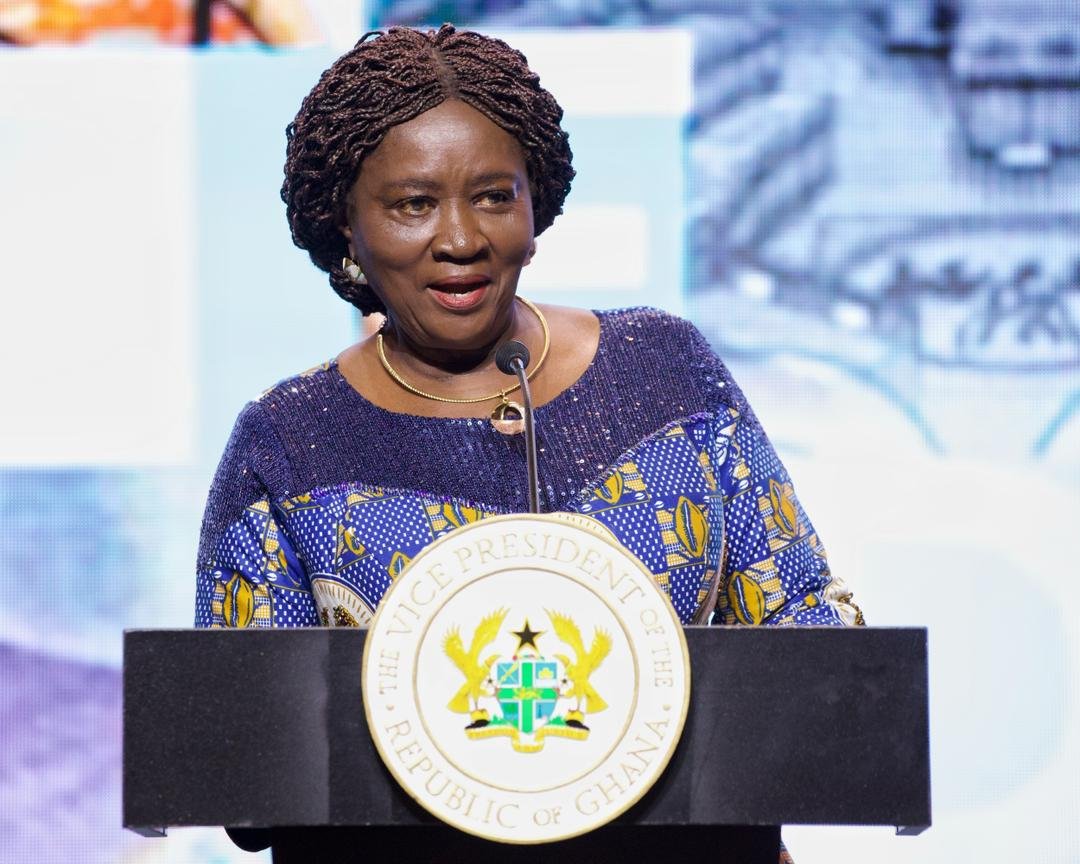
One of the most powerful signs of progress is the increasing presence of women in leadership and governance. Ghana has witnessed women rise to prominent positions in politics, corporate leadership, and public administration. The country made history with the election of its first female Vice President, Prof. Naana Jane Opoku-Agyemneg a moment that symbolized the growing confidence in women’s ability to lead at the highest level.
Across ministries, corporate institutions, and international organizations, Ghanaian women are serving as CEOs, board members, policy experts, and entrepreneurs who are driving innovation and economic growth. The passage of the Affirmative Action (Gender Equity) Act stands as another milestone, reflecting years of advocacy aimed at ensuring that women have fair representation in leadership and decision-making.
This law is not merely symbolic; it represents a renewed commitment to creating opportunities for women to contribute meaningfully to national development.
Transforming Education and Health
Education has been one of the greatest success stories of women’s empowerment in Ghana. From universities to research institutions, Ghanaian women have become professors, scientists, and education reformers shaping the minds of future generations.
A great example is Prof. Naana Jane Opoku-Agyemang who set the pace as the first female Vice Chancellor in Ghana in 2008 and rose to be the first female vice President.
Also another example is Ms. Elsie Effah Kaufmann, an accomplished engineer and academic who has inspired thousands of young people through science and innovation. Ms. Elsie Effah Kaufmann became widely known across Ghana for her role as the Quiz Mistress of the National Science and Maths Quiz (NSMQ), organized by Primetime Limited. Her work demonstrates how education empowers women not only to succeed personally but also to influence national development.
In the health sector, women are also playing crucial roles as medical doctors, nurses, and public health leaders saving lives and improving the well-being of communities. Distinguished medical professionals and many others represent a growing generation of women who are transforming healthcare delivery in Ghana and beyond.
The popular saying that “what a man can do, a woman can do better” has become more than a slogan—it is now a reality. Women are increasingly pursuing careers that were once considered male-dominated, from engineering and medicine to technology and public policy.
Women in Entrepreneurship and Economic Development
Another area where women have made tremendous strides is entrepreneurship. Across Ghana’s markets, industries, and technology spaces, women are building businesses that create jobs and stimulate economic growth.
Entrepreneurs like Ms. Patricia Poku-Diaby, who is the Founder and Chief Executive Officer of Plot Enterprise Ghana Limited, a successful cocoa processing company, have demonstrated that Ghanaian women can compete on the global stage while contributing to national prosperity.
These stories show that empowering women does not only uplift families; it strengthens the entire nation.
Women in Faith and Spiritual Leadership
Even within religious institutions, where leadership was historically dominated by men, change is becoming increasingly visible. In church history for instance, it was rare to see women serving as head pastors or reverend ministers. Today, however, many Ghanaian women are boldly answering the call to ministry and leading congregations with spiritual authority.
One notable example is Rev. Dr. Joyce Roselind Aryee the Founder and Executive Director of Salt and Light Ministries, whose teachings and counseling ministry have impacted countless lives. Across churches in Ghana, women are preaching the gospel, performing pastoral duties, and leading transformative ministries that touch communities and inspire faith.
Their leadership demonstrates that spiritual calling transcends gender and that women can powerfully influence lives through the word of God.
A Nation Transformed by Empowered Women
The key slogan of “Send the Girl Child to School” has found expression in women leading in government, business, education, healthcare, and ministry reflects a profound transformation of the Ghanaian society.
Today, Ghanaian women have a voice. They are innovators, decision-makers, mentors, and nation builders contributing significantly to the country’s development agenda.
As Ghana marks 69 years of independence, it is clear that empowering women has not only advanced gender equality but has also accelerated national progress. The stories of Ghanaian women remind us that when a nation educates and empowers its daughters, it unlocks the full potential of its future.
The celebration of independence therefore becomes more meaningful when we acknowledge the role of women—mothers, professionals, leaders, and visionaries—whose courage and determination continue to shape Ghana’s journey toward growth, equality, and prosperity.
By Dennis Agyei Boateng
Development Communication Practitioner
Was this article helpful?

GPCC
AdminStay up to date with what's happening at GPCC
Related post:
- “No bed syndrome” and the right to quality health care
- Road Safety Advocate Urges Church Leaders to Use the Pulpit to Promote Safe Driving
- Rev. Dr. Edward K. Tumsiah Urges Christian Leaders to Guard Their Words, Actions and Spiritual Life
- Rev. Stephen Wengam Urges Ministers and Church members to embrace Holiness as the True Measure of effective ministry
- City of Faith Assemblies of God Pastor Calls for purpose -Driven Leadership to advance Ghana’s development
- Go Deeper to Reflect Christ- GPCC President urged Christian Leaders
- GPCC Upper East Regional Secretary Cautioned Youth Against Negative Foreign Influences
- GPCC Treasurer Calls on Churches to Equip Youth with Employable Skills Amid Unemployment Challenges
- GPCC President Urges the Church to Remain morally upright and politically Neutral.
- GPCC Holds 2026 Conference of Heads of Churches and Organisations, Calls Leaders to Reflect Christ